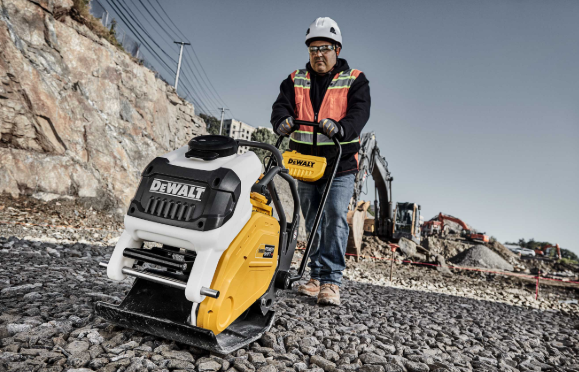
A reliable DeWalt battery is the backbone of any cordless tool setup. Whether you’re using drills, impact drivers, or outdoor equipment, battery performance directly affects runtime and power output.
DeWalt batteries are typically lithium-ion and available in multiple voltage platforms such as 12V, 18V, and 20V MAX (18V XR in many regions). Choosing the correct battery ensures compatibility and optimal tool efficiency.
If you are searching for DeWalt battery NZ, availability may vary depending on the platform and local distributor network, so always confirm voltage and series before purchasing.
DeWalt Battery Charger: Choosing the Right One
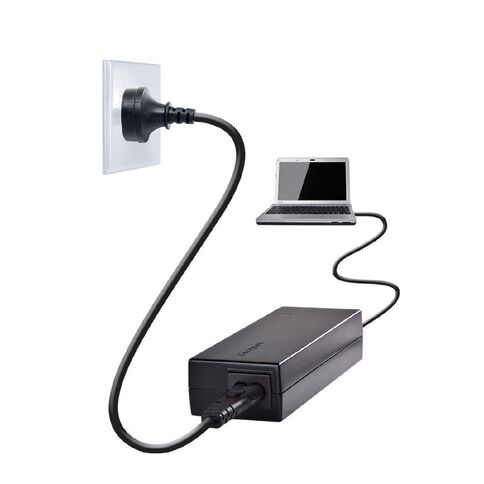
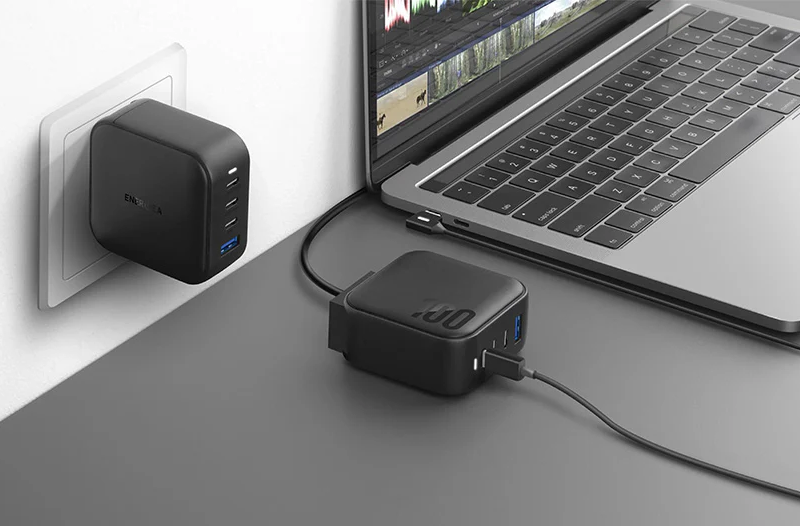
A proper DeWalt battery charger is essential for maintaining battery health and longevity. Fast chargers reduce downtime, while standard chargers can help minimize heat buildup during charging cycles.
When selecting a charger, consider:
- Voltage compatibility
- Multi-voltage support
- Smart charging features
- Cooling system integration
Using the correct charger helps prevent overheating and extends overall battery lifespan.
DeWalt Battery Adapter: Expanding Compatibility
A DeWalt battery adapter allows users to connect DeWalt batteries to tools from other brands or older platforms. This can be useful if you already own multiple battery systems and want to standardize power sources.
However, adapters should be used carefully:
- Ensure voltage compatibility
- Avoid overloading tools
- Monitor temperature during use
Improper pairing can reduce battery life or damage tools.
DeWalt Battery Holder: Organization and Safety
A DeWalt battery holder is a practical accessory for workshops, vans, and job sites. These holders keep batteries secure, organized, and protected from accidental drops.
Benefits include:
- Cleaner workspace
- Reduced contact damage
- Faster access to charged packs
- Improved transport safety
For professionals managing multiple battery packs daily, holders can significantly improve workflow efficiency.
How to Remove DeWalt Battery Cover Safely
If you are researching how to remove DeWalt battery cover, proceed with caution. Opening a lithium-ion battery pack can be risky due to internal cells and wiring.
General guidance:
- Ensure the battery is fully discharged
- Use proper precision tools
- Avoid puncturing internal cells
- Work in a non-flammable environment
Opening the battery may void warranties and should only be done if you have technical experience. For most users, replacement is safer than internal repair.
How to Jump a DeWalt Battery: Important Safety Note
Many users search for how to jump a DeWalt battery when the pack won’t charge due to low voltage lockout.
Some advanced users attempt to “jump start” the battery by briefly applying voltage from another pack. However:
- This can be dangerous
- It may damage internal protection circuits
- It carries fire risk if done incorrectly
If your battery won’t charge, first:
- Try a different charger
- Check for contact corrosion
- Allow the battery to cool
- Consult an authorized service center
In many cases, a deeply discharged lithium battery is safer to replace rather than revive.
DeWalt Battery NZ: Buying Considerations
If you’re purchasing a DeWalt battery NZ, consider:
- Genuine vs compatible batteries
- Warranty coverage
- Amp-hour (Ah) rating
- Seller reputation
- Local service availability
Higher Ah ratings provide longer runtime but may increase weight. For heavy-duty use, investing in higher capacity packs often improves productivity.
Extending the Life of Your DeWalt Battery
To maximize battery lifespan:
- Avoid full discharges when possible
- Store batteries in moderate temperatures
- Keep contacts clean
- Do not leave packs on chargers indefinitely
- Rotate multiple batteries evenly
Proper care significantly increases the usable life of lithium-ion power tool batteries.
Whether you’re looking for a DeWalt battery charger, battery holder, battery adapter, or researching how to troubleshoot charging problems, understanding your battery system is key to performance and safety.