When a device suddenly stops working, one of the first things to check is the battery. Fortunately, testing a small coin cell is relatively simple when you have the right tools.
For drivers, a dead key fob battery can create an additional problem. A vehicle may display a key-not-detected warning or appear unable to start. However, many modern push-button vehicles include an emergency method for recognizing a key fob even when its battery is depleted.
This guide explains how to test a button battery, how to identify a weak coin cell, and how to start a push button car with a dead battery.
What Is a Button Battery?
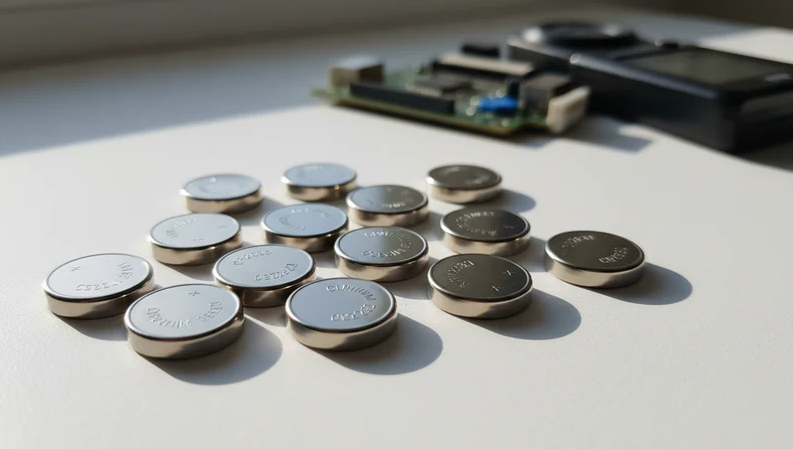
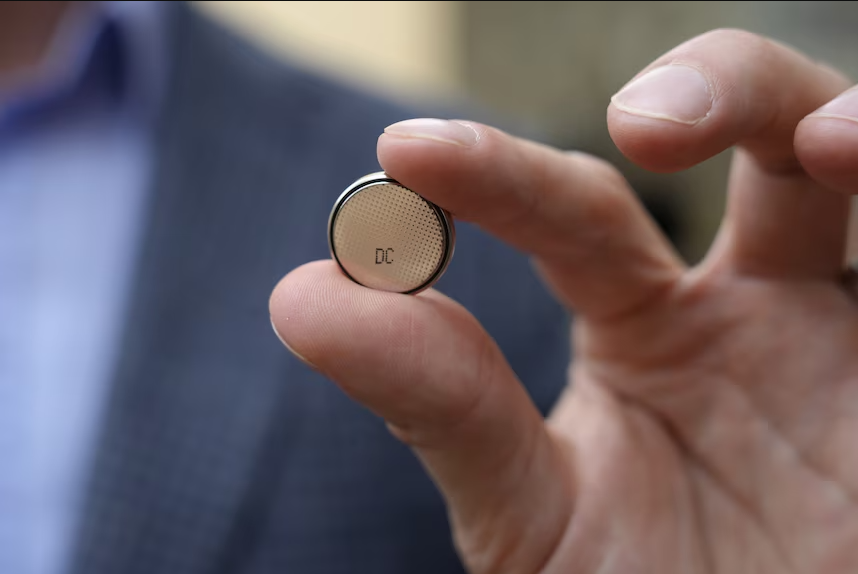
A button battery, often called a coin cell battery, is a small, round battery designed for compact electronic devices. Its thin, flat design makes it useful in products where there is very little space for a traditional battery.
Common lithium coin cells include CR2032, CR2025, and CR2016. These batteries are frequently found in key fobs, watches, calculators, remote controls, computer accessories, and other electronic devices.
Although several button batteries may look similar, they are not necessarily interchangeable. Their thickness, capacity, voltage characteristics, and chemistry can differ. Always check the battery number specified by the device manufacturer before purchasing a replacement.
Why Does a Button Battery Go Dead?
Like other batteries, a button battery gradually loses its ability to store and deliver electrical energy. Battery age is one of the most common reasons for declining performance.
Temperature, storage conditions, electrical load, device design, and how frequently the device is used can also affect battery life.
In a car key fob, a weak battery may first appear as reduced operating range or intermittent operation. Some vehicles can also display a warning when the key fob battery is becoming weak.
How to Test a Button Battery
If you are searching for how to test a button battery, a digital multimeter is one of the simplest tools to use. Measuring the battery’s DC voltage provides a quick indication of its condition.
Step 1: Identify the Battery
Before testing the battery, read the number printed on its surface. For example, a CR2032 is a 3-volt lithium coin cell.
Knowing the battery’s nominal voltage allows you to compare the multimeter reading with the expected value.
Step 2: Set the Multimeter to DC Voltage
Turn on the digital multimeter and select the DC voltage setting. If the meter requires manual range selection, choose a range that includes the battery’s expected voltage.
Step 3: Connect the Probes
Place the red probe against the positive terminal and the black probe against the negative terminal.
On most coin cells, the larger flat surface is marked with a + symbol. Make sure the probes make good contact with the metal surfaces.
Step 4: Read the Voltage
Check the number displayed on the multimeter and compare it with the battery’s nominal voltage and the manufacturer’s specifications.
Testing tip: An open-circuit voltage reading is useful for a quick check, but it does not always reveal the battery’s ability to deliver current under load. A battery can show a reasonable voltage and still perform poorly in a demanding device.
How to Tell if a Key Fob Button Battery Is Dead
A weak key fob battery can produce several noticeable symptoms. The most common signs include a shorter operating range, delayed responses, intermittent locking or unlocking, and a low-battery warning from the vehicle.
If the key fob stops working completely, check whether the correct replacement battery has been installed and make sure its polarity is correct.
If the key fob still does not work after installing a new battery, the problem may involve the key fob’s electronics rather than the battery itself.
How to Start a Push Button Car With a Dead Battery
One of the most searched questions related to key fob problems is how to start a push button car with a dead battery.
In many modern vehicles, a dead key fob battery does not necessarily mean that the vehicle cannot be started. Manufacturers often provide a backup key-recognition system that allows the vehicle to detect the key fob at very close range.
Important: The emergency starting procedure varies by vehicle make, model, and model year. Always check the owner’s manual for the exact procedure recommended by the manufacturer.
Common Emergency Starting Methods
Depending on the vehicle, one of the following methods may be required:
- Hold the key fob directly against the START/STOP button while pressing the brake pedal.
- Place the key fob in a designated backup key-recognition area.
- Place the key fob inside a specific slot or compartment designed for emergency detection.
- Use the mechanical emergency key to unlock the vehicle if the electronic locks are not responding.
These procedures are not universal. The backup detection location can be inside the center console, cup holder, storage compartment, or another location depending on the vehicle.
Do not force a key fob into an unknown opening or attempt to bypass the vehicle’s immobilizer or security system.
What If the Car’s Main Battery Is Dead?
It is important to distinguish between a dead key fob battery and a dead car battery.
Replacing the button battery inside the key fob will not restore power to a vehicle whose 12-volt battery is discharged.
If the vehicle’s main battery is dead, the dashboard, interior electronics, locks, and starting system may not operate normally. Depending on the vehicle manufacturer’s recommendations, the vehicle may need a jump-start, battery charger, or professional roadside assistance.
Safety warning: Always follow the vehicle manufacturer’s instructions when connecting a charger or jump-starting a vehicle. Incorrect connections can damage electrical components or create a safety hazard.
Button Battery Safety Tips
Button batteries are small and easy to handle, but they can present a serious safety risk if swallowed. Keep loose coin cells away from children and pets.
- Keep unused batteries in their original packaging.
- Store batteries away from children and pets.
- Install batteries with the correct polarity.
- Do not crush, puncture, or burn batteries.
- Do not attempt to recharge a non-rechargeable button battery.
- Dispose of used batteries according to local recycling or disposal requirements.
Button Battery vs. Car Battery
| Feature | Button Battery | Car 12-Volt Battery |
|---|---|---|
| Typical use | Key fobs, watches, calculators, and small electronics | Vehicle electrical systems and starting systems |
| Size | Small, coin-shaped cell | Much larger battery assembly |
| Common problem | Low or depleted charge | Discharge, aging, or charging-system problems |
| Typical solution | Replace the battery | Charge, jump-start, test, or replace as appropriate |
Frequently Asked Questions
How do I know if a button battery is still good?
Use a digital multimeter to measure the battery’s DC voltage and compare the result with the battery’s nominal voltage and manufacturer specifications. For applications requiring reliable performance, a suitable load test can provide additional information.
Can a car start if the key fob battery is dead?
In many vehicles, yes. Modern push-button vehicles often include a backup method for detecting a key fob with a depleted battery. The exact procedure depends on the vehicle.
Will changing the button battery fix a car that will not start?
Only if the problem is related to the key fob battery. If the vehicle’s 12-volt battery is discharged, replacing the key fob battery will not restore power to the car.
What is the best way to test a CR2032 battery?
A digital multimeter set to DC voltage is a convenient first test. Measure across the positive and negative terminals and compare the reading with the manufacturer’s specifications. A load test can provide a more realistic indication of battery performance.
What should I do if my key fob does not work after replacing the battery?
First, confirm that the replacement battery is the correct type and installed with the correct polarity. If the key fob remains unresponsive, consult the vehicle owner’s manual or contact the manufacturer or an automotive professional.