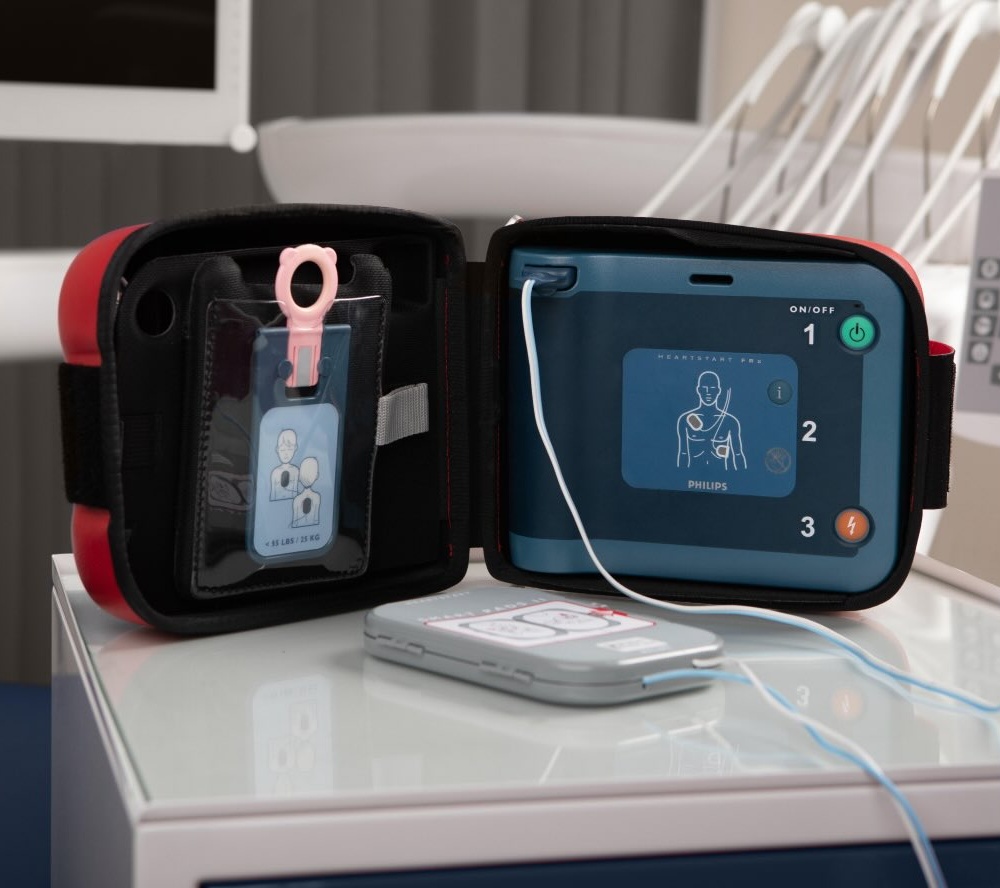
The Philips HeartStart FRx AED is a reliable automated external defibrillator designed for emergency medical situations. Whether used in hospitals, ambulances, schools, workplaces, public facilities, or rescue environments, the AED must always be ready when needed.
However, after long-term use, many users may experience problems such as short battery life, inability to charge, or unexpected power failure. In these situations, replacing the old battery with a high-quality 4200mAh M5070A Battery Replacement can help restore the device’s performance and reliability.
Why Does the Philips HeartStart FRx AED Battery Have Short Battery Life?
The battery is one of the most important components of an AED. Over time, battery performance naturally decreases due to chemical aging and repeated usage.
Common reasons for Philips HeartStart FRx AED battery life becoming shorter include:
1. Battery Aging After Long-Term Use
Even if an AED is rarely used, the battery continuously loses capacity over time. Medical equipment batteries often remain on standby for extended periods, which can gradually reduce their available power.
Signs of aging include:
- AED battery indicator showing low power
- Shorter standby time
- Frequent battery replacement reminders
- Device shutting down unexpectedly
A 4200mAh M5070A replacement battery provides a stable power supply and helps extend the operating time of Philips HeartStart FRx AED equipment.
2. Frequent Self-Testing Consumes Battery Power
The Philips HeartStart FRx AED performs automatic self-checks to ensure the device is ready for emergencies. These tests require a small amount of energy.
If the battery capacity has already declined, regular self-testing may accelerate power loss and cause:
- Reduced standby duration
- Low battery warnings
- Failure to pass self-checks
3. Extreme Storage Conditions
Temperature and humidity can affect AED battery performance.
Battery life may decrease faster when stored in:
- Extremely hot environments
- Very cold locations
- Areas with high humidity
- Places exposed to direct sunlight
Proper storage conditions help maximize battery lifespan.
Philips HeartStart FRx AED Battery Cannot Charge: Common Causes and Solutions
If your M5070A battery cannot charge or the AED does not recognize the battery, several factors may be responsible.
1. Battery Has Reached the End of Its Service Life
Lithium batteries have a limited lifespan. When internal cells degrade, the battery may no longer accept or hold a charge.
Typical symptoms:
- Battery percentage does not increase
- Charging stops quickly
- AED displays battery error messages
- Device loses power shortly after activation
Replacing the old battery with a new Philips HeartStart FRx AED replacement battery can solve these issues.
2. Poor Battery Connection
Sometimes the battery itself is not damaged. A poor connection between the battery and AED device can prevent normal operation.
Check:
- Whether the battery is installed correctly
- Whether battery contacts are clean
- Whether there is dust or oxidation on connectors
3. Internal Battery Damage
Battery damage may occur due to:
- Long-term storage without maintenance
- Physical impact
- Excessive heat exposure
- Manufacturing defects
A damaged battery may show swelling, overheating, or abnormal performance.
How to Check Whether Your M5070A Battery Is Damaged?
Before purchasing a replacement, users can perform several basic checks.
1. Check AED Battery Warning Messages
The Philips HeartStart FRx AED usually provides alerts when battery power is insufficient.
Pay attention to:
- Low battery warnings
- Error indicators
- Failed self-tests
- Unexpected shutdowns
2. Observe Battery Runtime
A healthy battery should provide stable standby power for emergency readiness.
A damaged battery may:
- Drain much faster than before
- Fail during device operation
- Require frequent replacement
If the operating time has significantly decreased, the battery may need replacement.
3. Inspect the Battery Appearance
Check the battery condition regularly.
Replace the battery immediately if you notice:
- Battery swelling
- Cracks or leakage
- Burn marks
- Unusual smell
- Physical deformation
Applications of 4200mAh M5070A Battery Replacement
The 4200mAh M5070A Battery Replacement is designed for professional emergency equipment applications, including:
Emergency Medical Services
Ambulances and emergency teams depend on AED equipment during critical situations. A reliable replacement battery ensures the device remains available during transport and rescue operations.
Hospitals and Clinics
Medical facilities require dependable AED power for emergency response areas, patient rooms, and medical departments.
Schools and Public Buildings
AED devices installed in schools, offices, airports, shopping centers, and public facilities must maintain long standby performance.
Workplace Safety Equipment
Companies use AED devices as part of workplace emergency preparedness plans. A high-capacity replacement battery helps maintain equipment readiness.
Why Choose a 4200mAh M5070A Replacement Battery?
A quality replacement battery offers several advantages:
- 4200mAh high capacity for reliable power supply
- Stable performance for Philips HeartStart FRx AED
- Helps solve short battery life problems
- Suitable for emergency standby applications
- Reliable replacement solution for aging batteries
Regular battery inspection and timely replacement are essential to ensure AED equipment functions properly when every second matters.
The Philips HeartStart FRx AED plays an important role in emergency medical response, and battery performance directly affects device reliability. Problems such as short battery life, charging failure, and unexpected shutdowns often indicate that the original battery has reached the end of its service life.
The 4200mAh M5070A Battery Replacement for Philips HeartStart FRx AED provides a dependable solution to maintain long-lasting power and improve emergency readiness in hospitals, ambulances, workplaces, and public environments.
Choosing the right replacement battery helps ensure that your AED remains prepared for critical moments.