A reliable power supply is essential for keeping electronic devices running safely and efficiently. From home computers to industrial equipment, choosing the right type—such as a UPS power supply, DC power supply, or PC power supply—can protect your devices and improve performance. This guide explains the most common power supply types and how to choose the right one.
What Is a Power Supply?
A power supply converts electrical energy from a source into the correct voltage, current, and form needed by a device. Different devices require different outputs, which is why there are many types, including 12V power supply, 24V power supply, and uninterruptible power supply systems.
UPS Power Supply (Uninterruptible Power Supply)
A UPS power supply, also known as an uninterruptible power supply, provides backup power during outages. It allows computers, servers, and network equipment to keep running for a short time, preventing data loss and hardware damage. UPS systems are commonly used in offices, data centers, and homes with unstable power.
DC Power Supply Explained
A DC power supply delivers direct current, which is required by many electronic devices. Common options include:
- 12V DC power supply for routers, CCTV cameras, LED lighting, and small electronics
- 24V power supply for industrial controls, automation systems, and heavy-duty equipment
Choosing the correct voltage and current rating is critical for safe operation.
12V Power Supply and 12V DC Power Supply
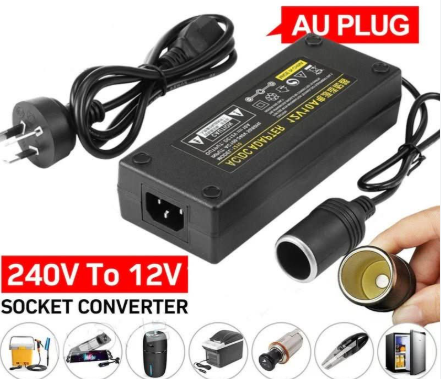
A 12V power supply is one of the most widely used formats. A 12V DC power supply is ideal for consumer electronics and automotive-related applications. Always ensure the connector type and amperage match your device’s requirements.
24V Power Supply for Industrial Use
A 24V power supply is commonly used in industrial and commercial environments. It offers better efficiency over longer cable distances and is often found in factory automation, sensors, and control panels.
PC Power Supply: Powering Your Computer
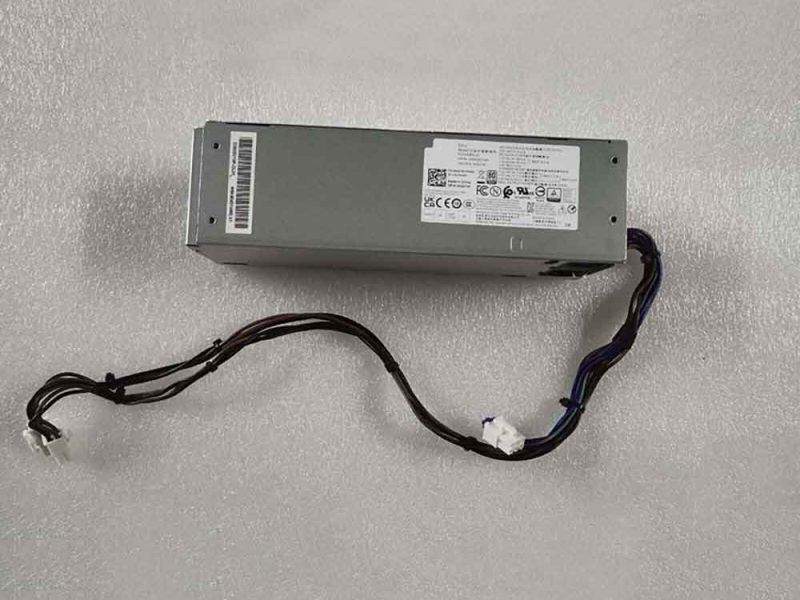
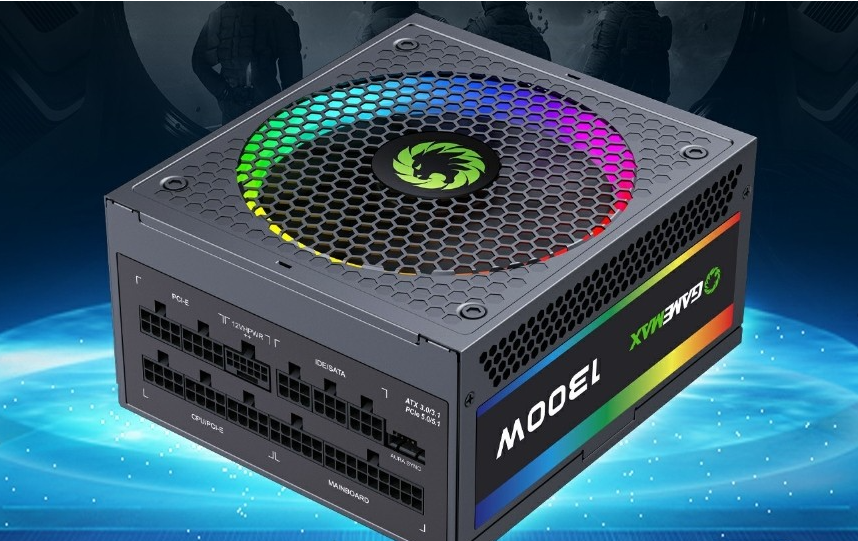
A PC power supply (PSU) converts AC power from the wall into multiple DC voltages needed by computer components. When choosing a PC power supply, consider wattage, efficiency rating (such as 80 PLUS), and compatibility with your system to ensure stable and efficient performance.
How to Choose the Right Power Supply
When selecting a power supply, keep these factors in mind:
- Required voltage (12V, 24V, or other)
- Current and power rating
- Application (PC, industrial, backup power)
- Safety certifications and efficiency
Whether you need a UPS power supply, a 12V DC power supply, a 24V power supply, or a PC power supply, understanding the differences helps you make the right choice. A quality power supply not only ensures reliable operation but also protects your devices and extends their lifespan.