Button batteries are widely used in modern electronic devices such as watches, calculators, car keys, hearing aids, toys, and smart gadgets. As technology continues to evolve, the demand for compact and reliable power sources has increased rapidly across global markets, including the growing button batteries NZ industry.
What Are Button Batteries?
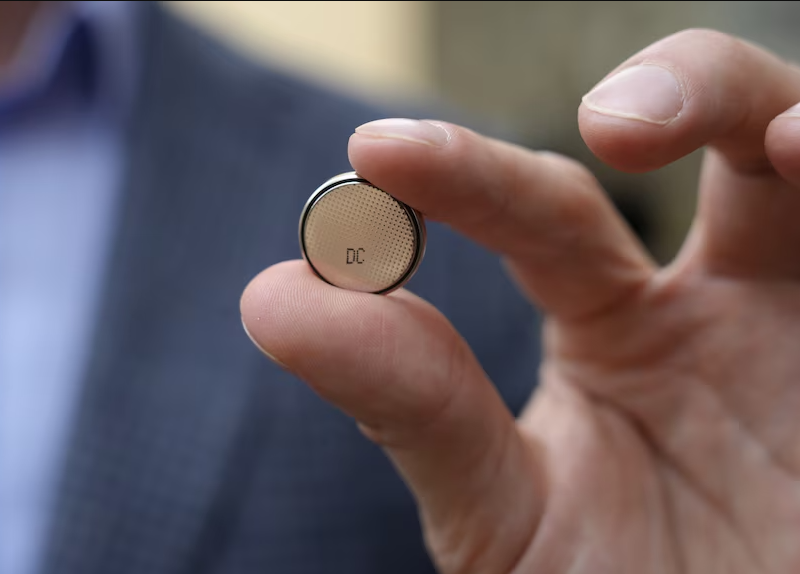
Button batteries, also known as coin cell batteries, are small round batteries designed to power low-energy electronic devices. Their compact size and long-lasting performance make them ideal for portable technology and wearable devices.
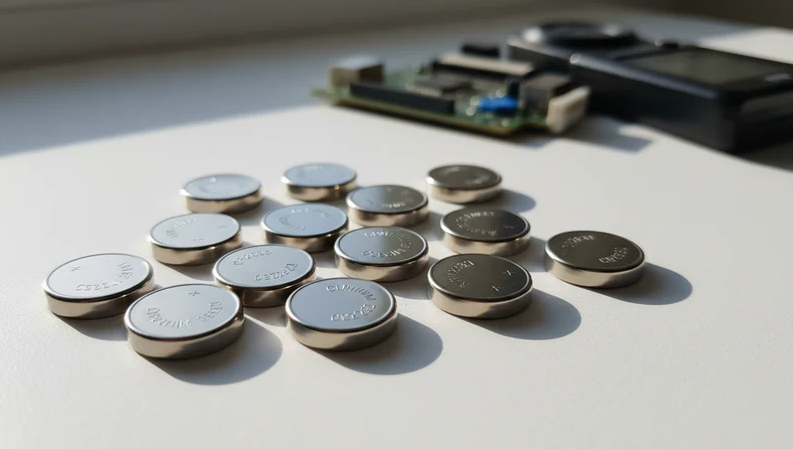
Common types of button batteries include:
- Lithium button batteries
- Silver oxide batteries
- Alkaline button batteries
- Zinc-air batteries
In recent years, demand for high-quality button batteries NZ products has increased due to the expansion of smart home devices and medical technology in New Zealand.
Which Way Do Button Batteries Go In?
One of the most frequently searched questions online is: which way do button batteries go in? Installing a button battery incorrectly can prevent your device from functioning or even damage the internal circuit.
In most devices:
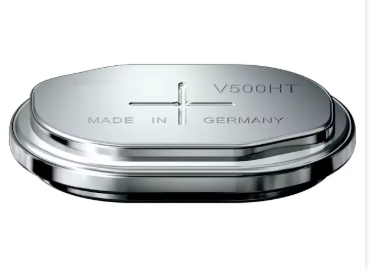
- The positive (+) side usually faces upward.
- The flat side marked with battery information is generally the positive side.
- The negative (-) side typically connects to the spring terminal.
However, every device is designed differently, so users should always check the battery compartment markings or the product manual before installation.
For safety reasons, keep button batteries away from children and pets. Swallowing lithium button batteries can cause severe internal injuries within hours.
Button Batteries NZ Market Continues to Expand
The button batteries NZ market has experienced strong growth due to increasing consumer electronics usage and stricter battery safety regulations. Retailers in New Zealand now focus heavily on child-resistant packaging and environmentally friendly battery recycling programs.
Several industries driving demand in New Zealand include:
- Healthcare equipment
- Wearable smart devices
- Automotive remote systems
- Security and alarm systems
- Home automation products
As sustainability becomes a key priority, many New Zealand businesses are also investing in safer lithium battery technologies and responsible disposal solutions.
How to Dispose of Button Batteries Safely
Another common question consumers ask is: how to dispose of button batteries? Proper disposal is extremely important because batteries contain chemicals and heavy metals that may harm the environment.
Here are the recommended disposal steps:
- Do not throw button batteries into household trash bins.
- Place used batteries in a non-metal container.
- Cover battery terminals with tape to prevent short circuits.
- Take batteries to certified recycling or e-waste collection centers.
- Follow local recycling regulations in your area.
In many regions, including New Zealand, retailers and recycling stations now offer dedicated collection boxes for used button batteries.
Learning how to dispose of button batteries correctly helps reduce environmental pollution and supports global sustainability efforts.
Future Trends in Button Battery Technology
Manufacturers continue to improve battery efficiency, safety, and environmental performance. Future button battery innovations may include:
- Longer battery lifespan
- Improved leak protection
- Child-safe bitter coatings
- Eco-friendly recyclable materials
- Higher energy density for smart devices
As IoT devices and wearable technology become more popular worldwide, the global demand for reliable button batteries will continue to rise.