A reliable power tool battery can make a major difference when using cordless drills, impact drivers, saws, grinders and other battery-powered tools. Modern lithium-ion batteries offer high energy density and convenient cordless operation, but choosing the right battery, storing it correctly and using the appropriate charger are all important for performance and safety.
Whether you are comparing battery platforms, looking for the best power tool brand or wondering how to store a battery between projects, this guide explains the key points to consider before buying, charging or replacing a power tool battery.
What Is a Power Tool Battery?
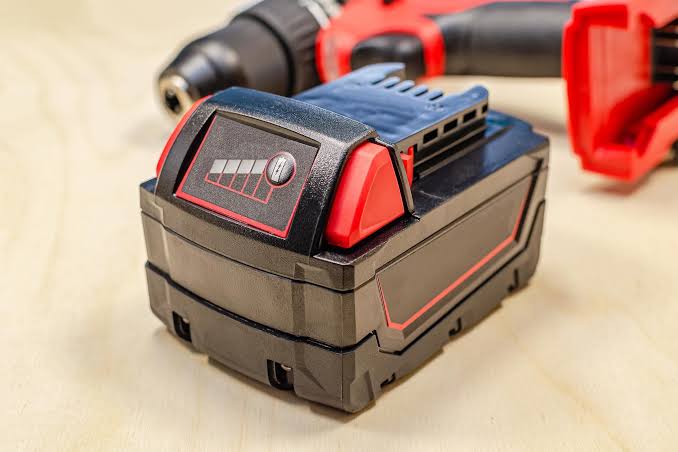
A power tool battery is a rechargeable battery pack designed to provide electrical power to cordless tools. Most modern cordless power tools use lithium-ion battery technology because it can provide a high amount of energy without the weight and memory-effect concerns associated with some older battery technologies.
Power tool batteries are commonly available in different voltage platforms. Popular systems include approximately 12V, 18V, 20V and 24V platforms, while heavier-duty tools can use higher-voltage battery systems.
It is important to understand that voltage ratings are not always presented in exactly the same way by different manufacturers. For example, some brands market a battery according to its nominal voltage while others emphasize its maximum charged voltage.
How to Choose the Right Power Tool Battery
Choosing a power tool battery is not simply a matter of selecting the battery with the largest capacity. Compatibility with the tool platform, required power output, physical dimensions and charging system should all be considered.
Battery Voltage
The battery voltage must match the tool platform specified by the manufacturer. A battery from one voltage platform should not be substituted for another simply because the connector appears similar.
Battery Capacity
Battery capacity is commonly expressed in amp-hours, or Ah. Generally, a higher Ah rating means the battery can store more energy when comparing batteries within the same voltage platform.
A higher-capacity battery can potentially provide longer operating time, but it may also be heavier and more expensive. For compact drills and screwdrivers, a smaller battery can sometimes be more convenient, while high-demand tools may benefit from a higher-capacity pack.
Battery Chemistry
Lithium-ion batteries are widely used in modern cordless power tools. They offer a useful combination of energy density, weight and rechargeability. However, lithium-ion batteries require appropriate electronic protection and charging equipment.
Battery Compatibility
Battery compatibility is one of the most important considerations. Even if two batteries have similar voltage ratings, their physical connectors, electronic communication systems and battery-management requirements may differ.
What Is the Best Battery Power Tool Brand?
The question what is the best battery power tool brand does not have one universal answer. Different manufacturers focus on different combinations of professional performance, price, battery selection, tool variety, ergonomics and warranty support.
Well-known cordless tool platforms include brands such as Milwaukee, DeWalt, Makita, Bosch, Ryobi and several other manufacturers. The most suitable option depends heavily on the type of work you perform and whether you want to build an entire tool collection around one battery platform.
| Factor | What to Consider |
|---|---|
| Battery platform | How many compatible tools are available? |
| Battery capacity | Are compact and high-capacity options available? |
| Tool selection | Does the platform include the tools you actually need? |
| Professional use | Is the platform designed for demanding job-site applications? |
| Price | What is the total cost of tools, batteries and chargers? |
| Service and support | Are replacement batteries, parts and service readily available? |
Instead of asking which brand is universally the best, it is often more useful to ask which battery platform best matches your tools, workload and budget.
Why the Battery Platform Matters More Than a Single Tool
One of the biggest advantages of cordless power tools is the ability to use the same battery platform across multiple tools. A single compatible battery may be usable with a drill, impact driver, reciprocating saw, work light or other tools from the same system.
This can reduce the need to purchase separate chargers and batteries for every tool. However, platform compatibility should always be checked before connecting a battery to a tool.
For users building a large collection of cordless tools, the battery ecosystem can therefore be just as important as the specifications of an individual tool.
How to Store a Power Tool Battery
Knowing how to store a power tool battery correctly can help protect battery performance and reduce unnecessary wear during periods when the tools are not being used.
1. Choose a Cool and Dry Location
Store batteries in a dry location away from direct sunlight and sources of extreme heat. Excessive temperatures can affect lithium-ion battery performance and may accelerate degradation.
2. Avoid Extreme Temperatures
Do not leave power tool batteries in a hot vehicle, near a heater or in locations exposed to freezing conditions for extended periods. Follow the storage-temperature recommendations provided by the battery manufacturer.
3. Protect the Battery Contacts
Keep battery terminals clean and protected from metal objects such as loose screws, nails or tools. A battery should ideally be stored in a way that prevents its contacts from accidentally touching conductive materials.
4. Do Not Store a Damaged Battery
Inspect batteries periodically. If a battery pack is swollen, cracked, leaking, severely damaged or unusually hot, stop using it and follow the manufacturer’s instructions for handling and disposal.
5. Follow the Manufacturer’s Storage Guidance
Storage recommendations can vary between battery systems. Always check the instructions provided for the specific battery rather than assuming that every lithium-ion power tool battery has identical requirements.
Should a Power Tool Battery Be Stored Fully Charged?
The ideal storage condition depends on the battery manufacturer and battery system. For long-term storage, users should follow the specific instructions supplied with their battery rather than automatically storing every battery at 100 percent.
If a battery will not be used for an extended period, periodically checking its condition can also be useful. Do not allow a stored battery to remain in an unknown or unsafe condition for a prolonged period.
How to Charge a Power Tool Battery Safely
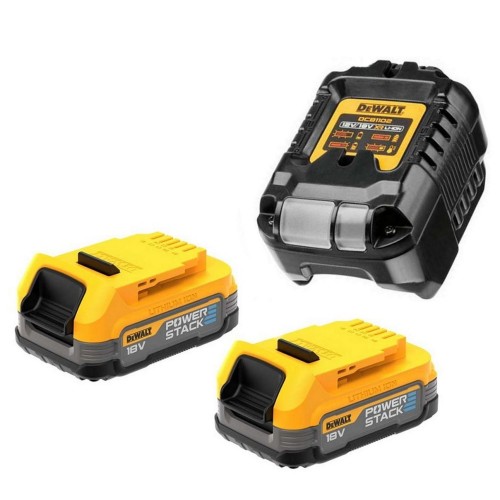
Using the correct charger is one of the most important rules when charging a power tool battery. The charger is designed for the electrical characteristics and battery-management system of a specific platform.
- Inspect the battery and charger before charging.
- Make sure the battery is compatible with the charger.
- Place the charger on a stable, ventilated surface.
- Insert the battery according to the manufacturer’s instructions.
- Allow the charging process to complete according to the charger’s indicator or instructions.
- Remove the battery when appropriate according to the manufacturer’s guidance.
Avoid using damaged batteries, damaged chargers or improvised electrical connections. Lithium-ion battery packs can deliver significant electrical current and should be handled with appropriate care.
How to Charge Power Tool Battery Without Charger?
The search query how to charge power tool battery without charger is common when a charger is lost or unavailable. However, directly connecting a power tool battery to a random power supply, wires or another battery is not a safe substitute for the correct charger.
Modern lithium-ion power tool batteries typically rely on charging circuitry and battery-management systems to control voltage, current and temperature. Using an incompatible power source can cause overheating, battery damage or a potentially dangerous electrical event.
Safer Alternatives
- Use the manufacturer’s compatible charger.
- Purchase a replacement charger specifically designed for the battery platform.
- Use an approved multi-voltage or multi-battery charger when the manufacturer explicitly states that it is compatible.
- Ask an authorized service center or qualified repair professional for assistance.
A USB charger, laptop power adapter, car adapter or generic DC power supply should not be connected directly to a power tool battery unless the battery manufacturer explicitly provides a compatible charging solution for that setup.
Why You Should Not Improvise a Lithium-Ion Battery Charger
Lithium-ion cells require controlled charging. The charging system needs to manage parameters such as voltage, current and, depending on the battery design, temperature and cell balancing.
A power supply that happens to have a similar voltage does not necessarily provide the correct charging profile. Connecting the wrong source can damage the battery or create a safety hazard.
For this reason, searching for a quick way to charge a power tool battery without a charger should not lead to improvised wiring or bypassing the battery’s protection system.
Power Tool Battery Charging Problems
If a power tool battery does not charge, the problem may not always be the battery itself. The charger, electrical connection, battery contacts or temperature can also affect charging.
Battery Does Not Start Charging
Check whether the charger is receiving power and whether the battery is properly seated. Inspect the contacts for dirt or visible damage.
Battery Gets Very Hot
A battery that becomes unusually hot during charging should not be ignored. Stop charging it and follow the manufacturer’s safety instructions.
Battery Charges but Runs for a Short Time
Reduced runtime can be associated with battery aging, high tool power demand, environmental conditions or a battery that has developed a fault.
How Long Does a Power Tool Battery Last?
There are two different meanings of battery life. The first is runtime during a single job, while the second is the overall service life of the battery.
Runtime depends on battery capacity, tool power consumption, workload, material being cut or drilled and operating conditions. A high-capacity battery generally provides more stored energy within the same voltage platform, but the actual runtime still depends heavily on the tool.
Over time, rechargeable batteries naturally lose capacity. Heavy use, high temperatures and inappropriate charging or storage conditions can contribute to faster degradation.
Signs That a Power Tool Battery May Need Replacement
- The runtime is significantly shorter than when the battery was new.
- The battery repeatedly fails to charge normally.
- The battery becomes unusually hot during ordinary use or charging.
- The battery pack is swollen, cracked or physically damaged.
- The tool shuts down unexpectedly even though the battery indicates charge.
- The charger repeatedly reports a battery fault.
Physical damage is particularly important. Do not attempt to repair or open a damaged lithium-ion battery pack unless you have the appropriate professional training and equipment.
Power Tool Battery Buying Guide
Before purchasing a new power tool battery, consider more than the advertised Ah rating. The following checklist can help you compare different options.
| Buying Factor | Why It Matters |
|---|---|
| Voltage | Must match the tool’s battery platform. |
| Ah capacity | Affects available stored energy and potential runtime. |
| Weight | Higher-capacity batteries can add weight to the tool. |
| Compatibility | Determines whether the battery can safely communicate with and power the tool. |
| Charger compatibility | Ensures the battery can be charged using an approved charger. |
| Battery age | A new-looking battery may still need its manufacturing date checked. |
| Warranty | Provides additional support if the battery develops a fault. |
Power Tool Battery Safety Checklist
Battery safety should always come before convenience. Follow these basic precautions when using rechargeable power tool batteries:
- Use the correct charger for the battery system.
- Do not modify or bypass the battery’s protection circuitry.
- Do not use batteries that are swollen or physically damaged.
- Keep batteries away from excessive heat and moisture.
- Prevent metal objects from contacting exposed battery terminals.
- Follow the manufacturer’s charging and storage instructions.
- Keep batteries away from children and unauthorized users.
- Recycle or dispose of batteries through an appropriate battery-recycling program.
Frequently Asked Questions About Power Tool Batteries
What is a power tool battery?
A power tool battery is a rechargeable battery pack designed to provide electrical power to cordless tools. Modern cordless tools commonly use lithium-ion battery systems.
What is the best battery power tool brand?
There is no single brand that is the best choice for every user. Milwaukee, DeWalt, Makita, Bosch, Ryobi and other manufacturers offer different cordless platforms. The right choice depends on tool selection, battery availability, performance requirements, price and service support.
How should I store a power tool battery?
Store it in a cool, dry location away from direct sunlight, excessive heat and moisture. Protect the battery terminals from metal objects and follow the specific storage instructions supplied by the manufacturer.
How can I charge a power tool battery without a charger?
You should not improvise a charging connection using random wires, power supplies or another battery. Use the manufacturer’s compatible charger or an explicitly approved replacement charging system.
Can I use a higher Ah battery on my power tool?
If the higher-capacity battery belongs to the same compatible battery platform and is explicitly supported by the tool manufacturer, it may provide longer runtime. Always verify compatibility before use.
Why does my power tool battery drain quickly?
Fast battery drain can result from a demanding workload, an aging battery, high temperatures, a high-power tool or a battery fault. Comparing performance with a known-good compatible battery can help identify whether the battery is the likely cause.