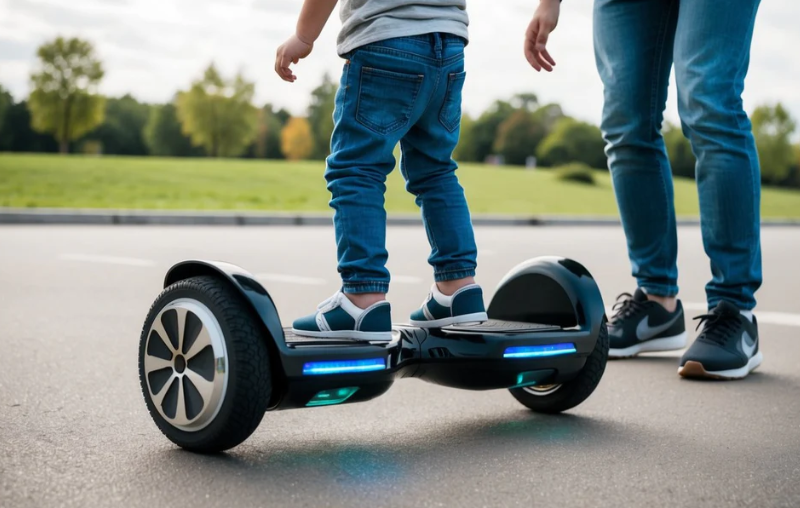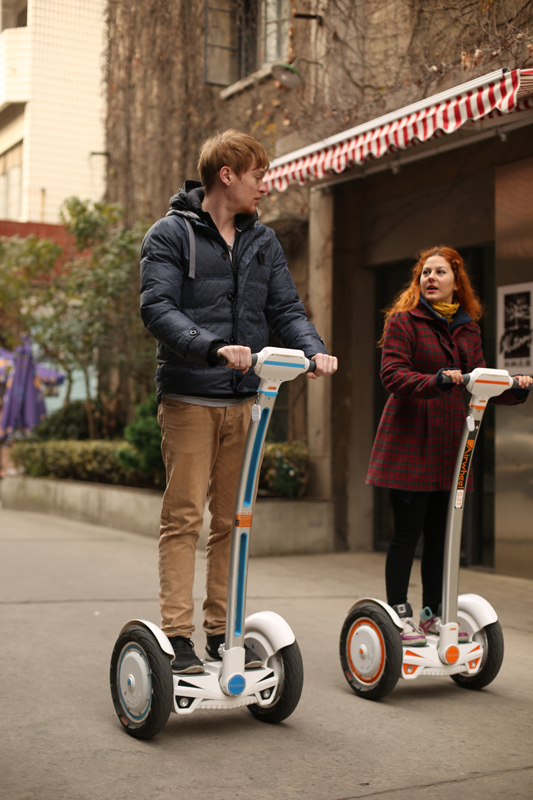
Electric scooters are becoming a convenient choice for commuting, short-distance travel, and everyday transportation. However, the battery is one of the most important components of an electric scooter. When the battery starts to age, you may notice a shorter riding range, slower performance, or difficulty charging.
So, how long do electric scooter batteries last? What should you do when your scooter battery no longer provides enough power? This guide explains the common problems with scooter batteries, how to identify battery damage, and when a replacement battery may be the better choice.
How Long Do Electric Scooter Batteries Last?
The lifespan of an electric scooter battery depends on several factors, including battery chemistry, charging habits, riding frequency, temperature, load, and storage conditions.
In general, a lithium-ion electric scooter battery can provide several years of service when properly maintained. Battery capacity gradually decreases as the number of charge cycles increases. Instead of suddenly failing, an aging battery usually shows signs such as reduced range and faster power consumption.
For example, a scooter that originally traveled 20–30 miles on a full charge may eventually only travel 10–15 miles under similar riding conditions. This reduction in range is one of the clearest signs that the battery is aging.
Why Is My Electric Scooter Battery Running Out Quickly?
A short battery life does not always mean that the battery is completely damaged. Several factors can cause scooter batteries to drain faster than expected.
1. Battery Aging
As a battery gets older, its usable capacity decreases. Even if the battery indicator shows 100%, the actual amount of energy stored may be significantly lower than when the battery was new.
2. Frequent High-Speed Riding
Riding at maximum speed requires more power from the battery. Frequent acceleration, hill climbing, and high-speed riding can significantly reduce the distance available from a single charge.
3. Rider Weight and Cargo
A heavier load requires more energy to move the scooter. Carrying additional luggage or riding with a heavy backpack can therefore reduce battery range.
4. Cold or Hot Temperatures
Extreme temperatures can negatively affect battery performance. Cold weather may temporarily reduce available capacity, while excessive heat can accelerate battery aging.
5. Tire Pressure and Mechanical Resistance
Underinflated tires, worn bearings, or brake problems can increase rolling resistance. The motor then needs more energy to maintain speed, causing the battery to drain faster.
What to Do When Your Scooter Battery Cannot Be Charged?
One of the most frustrating battery problems is when an electric scooter refuses to charge.
Before replacing the battery, check a few basic components:
- Make sure the charger is correctly connected to the scooter.
- Check whether the charger indicator behaves normally.
- Inspect the charging port for dirt or visible damage.
- Try a compatible charger if the original charger may be faulty.
- Check whether the scooter displays an error code.
- Allow the scooter to return to room temperature if it has been exposed to extreme temperatures.
If the charger works correctly but the battery still refuses to accept a charge, the battery pack or its internal protection system may have a problem.
Do not attempt to open or repair a lithium-ion battery pack without appropriate knowledge and equipment. Damaged lithium batteries can present serious safety risks.
How Can You Tell If an Electric Scooter Battery Is Damaged?
Knowing the symptoms of a failing battery can help you determine whether it is time for a replacement.
Sign 1: The Riding Range Has Decreased Significantly
If your scooter used to travel a long distance after charging but now requires frequent charging, the battery may have lost considerable capacity.
Sign 2: The Battery Percentage Drops Suddenly
A healthy battery normally decreases gradually during use. If the battery indicator suddenly falls from a high percentage to a very low level, the battery cells may be aging or unbalanced.
Sign 3: The Scooter Shuts Down Under Load
If the scooter works normally when stationary but suddenly loses power when climbing a hill or accelerating, the battery may no longer be able to provide sufficient current.
Sign 4: The Battery Does Not Charge
A battery that consistently fails to charge despite using a known-good compatible charger may need professional inspection or replacement.
Sign 5: Physical Damage or Swelling
Visible swelling, deformation, leaking, unusual heat, or a damaged battery casing should be treated seriously. Stop using the scooter and seek professional service. Do not puncture, crush, or attempt to open a swollen lithium battery.
How to Extend the Life of Scooter Batteries
Good charging and storage habits can help maximize battery lifespan.
Avoid Completely Draining the Battery
Try not to repeatedly ride until the battery reaches 0%. Recharging before the battery becomes completely depleted can help reduce unnecessary stress during everyday use.
Use the Correct Charger
Always use a charger designed for your specific scooter battery system. Incorrect voltage or incompatible charging equipment can damage the battery and create safety risks.
Store the Scooter Properly
If you will not use your scooter for an extended period, keep it in a dry environment away from extreme temperatures. Check the battery periodically instead of leaving it completely discharged for months.
Avoid Excessive Heat
Do not leave a scooter with a lithium-ion battery exposed to intense heat for long periods. Allow the battery to cool after demanding rides before charging when appropriate for the manufacturer’s instructions.
Maintain the Scooter
Proper tire pressure, functioning brakes, and smooth mechanical components reduce unnecessary energy consumption. A well-maintained scooter can make better use of the available battery capacity.
Scooter Batteries for Different Usage Scenarios
Different riders have different battery requirements. Choosing the right battery capacity depends on how and where you use your electric scooter.
Daily Commuting
For daily commuting, battery reliability and consistent range are especially important. A replacement battery with sufficient capacity can reduce the need to recharge during the workday.
Short City Trips
If you mainly use your scooter for short trips to shops, public transportation stations, or nearby locations, a standard-capacity battery may be sufficient.
Long-Distance Riding
Long-distance riders generally benefit from higher-capacity scooter batteries. However, a larger battery may also increase the overall weight of the scooter.
Hill Climbing
Riding in areas with frequent slopes places greater demand on the motor and battery. A battery capable of delivering adequate current is important for maintaining stable performance.
Recreational Riding
For occasional recreational use, battery condition and storage are often more important than maximum range. A properly maintained battery can provide reliable performance even when the scooter is not used every day.
When Should You Replace Your Scooter Battery?
A replacement may be worth considering when your battery has experienced a significant loss of capacity, cannot maintain a useful riding range, repeatedly fails to charge, or causes unexpected power interruptions.
Before purchasing a replacement, check the original battery’s:
- Voltage
- Capacity
- Battery model or part number
- Connector type
- Physical dimensions
- Number and arrangement of cells
- Compatibility with your scooter model
Do not select a replacement battery based only on mAh or Ah. Voltage, connector configuration, dimensions, battery management system, and compatibility are also important.
Understanding how long do electric scooter batteries last can help you plan maintenance and avoid unexpected battery problems. Shorter range, rapid percentage drops, charging problems, and power loss under heavy loads are common signs of an aging battery.
With proper charging, storage, and regular scooter maintenance, you can help extend battery life. When the battery has reached the end of its useful service life, choosing a compatible replacement scooter battery can restore reliable performance and make your electric scooter practical for commuting, city transportation, hill riding, and recreational use.