There comes a moment in every robot vacuum owner’s life when the little machine starts behaving differently. It heads out with determination but returns to its dock sooner than expected, leaving parts of the floor untouched. You check the app and see that familiar pattern—it covered the kitchen and part of the living room before retreating for a recharge. What once felt like effortless cleaning now feels like a compromise. The good news is that this moment doesn’t signal the end of your device’s useful life. It simply means it’s time to look under the hood at what powers those daily cleaning journeys.
Understanding What Makes Your Robot Move
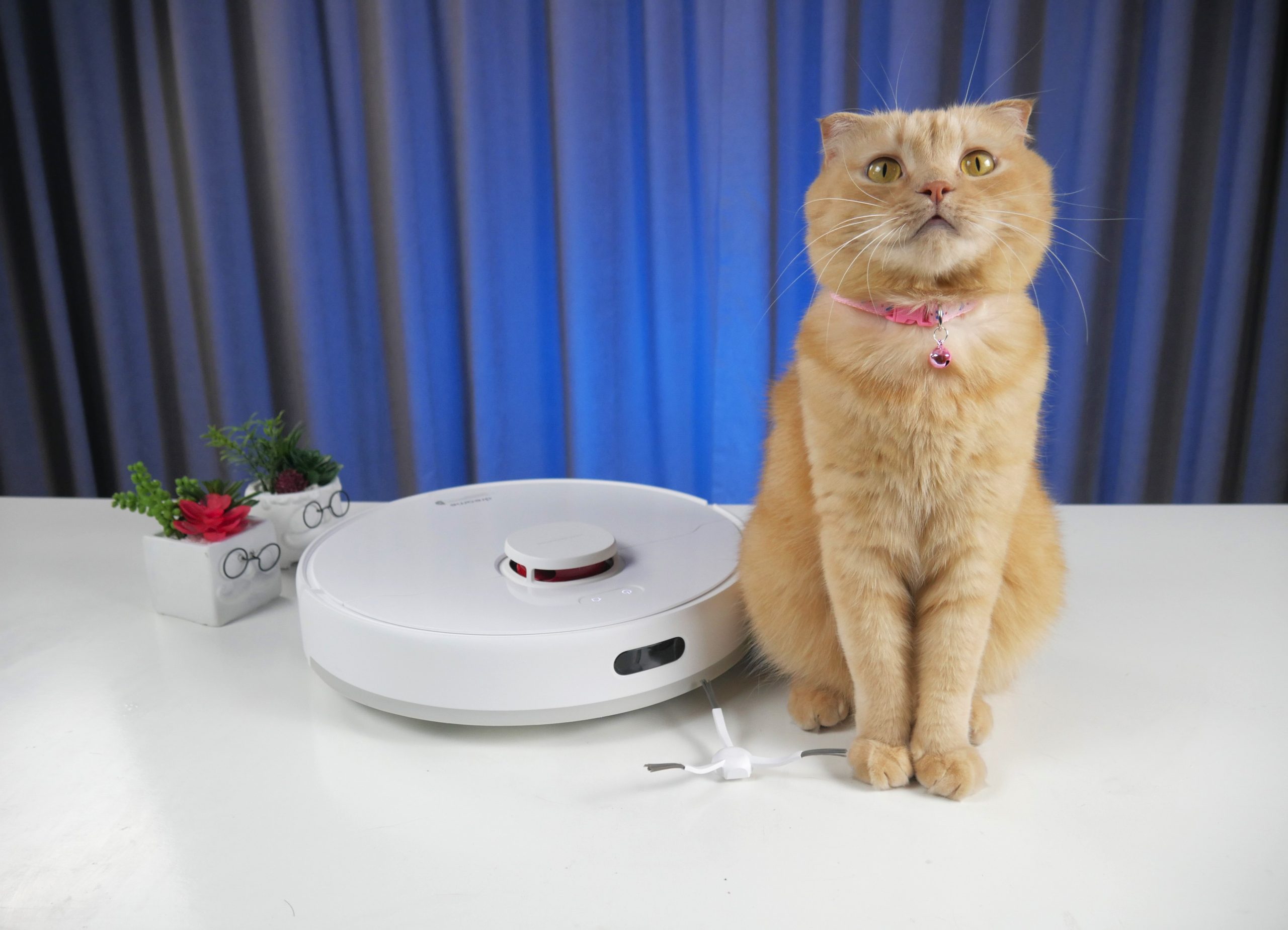
The Dreame series has earned its place in modern homes through thoughtful engineering and reliable performance. These machines navigate around furniture, transition between floor types, and return to their starting points with impressive accuracy. At the core of this functionality sits a component that rarely gets attention until performance begins to fade. The Xiaomi Dreame D9 battery represents the energy foundation that determines whether your robot completes its mission or gives up halfway through.
When these robots first arrive, they map your home methodically, learning the layout and remembering where obstacles live. The suction pulls debris from corners, the brushes spin at just the right speed, and the whole system works in harmony. Over time, however, every rechargeable component experiences gradual change. The distance covered between charges shortens. The robot may pause more frequently. These signs point toward natural aging rather than any failure in the machine itself.
The Technical Side of Extended Performance
Behind the scenes, these devices rely on specific configurations to deliver consistent results. The P2008-4S2P-MMBK battery designation refers to a particular arrangement of cells that manufacturers selected for this series. Understanding this matters because it ensures that any replacement matches the original specifications that your robot was designed to use.
The numbers tell a story about capability. A 14.4-volt system paired with 5200 milliampere-hours of capacity originally gave these robots enough energy to handle significant floor areas in a single session . When that capacity diminishes, the robot’s behavior changes in predictable ways. It might clean aggressively for fifteen minutes then slow down, or it could navigate back to the dock while rooms remain untouched. These patterns point directly to the need for renewed energy storage rather than any deeper mechanical issue.
Recognizing When It’s Time for a Change
Pay attention to how your robot behaves during its daily rounds. Does it cover the same ground it always has? Does the app show decreasing battery percentage faster than it used to? These observations matter more than calendar dates or arbitrary replacement schedules. The Dreame F9 battery replacement decision should come from noticing real changes in performance, not from following a generic timeline.
Some owners notice that their robot returns to the dock multiple times during a single cleaning cycle. Others observe that areas previously handled in one pass now require two or three separate sessions. The robot itself doesn’t change—its motors still spin, its sensors still detect obstacles, its navigation still plans efficient routes. What changes is the energy reservoir that supports all these activities.
Models Across the Series
The family of robots includes several variations, each designed for slightly different home layouts and cleaning preferences. The Dreame L10 Pro battery shares fundamental characteristics with its counterparts while supporting that model’s specific features. Whether you own the D9, the F9, or the L10 Pro, the underlying need remains consistent: reliable energy that lasts through the entire cleaning cycle.
These robots bring real intelligence to floor care. They remember room layouts, avoid areas you’ve designated as off-limits, and adjust their cleaning patterns based on floor type. None of this intelligence matters if the power runs out before the job finishes. The relationship between smart navigation and adequate energy is inseparable—one enables the other.
The Broader Picture of Home Maintenance
When we think about maintaining our homes, we often focus on visible things: emptying dust bins, cleaning brushes, wiping sensors. These tasks matter, certainly, but they address only part of the maintenance equation. The energy storage component deserves equal attention because it directly affects whether all those other systems can do their jobs.
A robot vacuum battery replacement represents one of the most straightforward ways to extend the useful life of a device that otherwise performs perfectly well. The navigation still works, the suction still pulls debris, the mopping function still spreads water evenly. Only the energy reservoir has changed. Addressing that single component can restore the original experience without the cost or waste of replacing the entire unit.
Making the Right Choice for Your Home
Every household has different cleaning needs. A small apartment with mostly hard floors places different demands on a robot than a large house with extensive carpeting and multiple levels. The original battery specifications were designed to handle average scenarios, but your specific situation might benefit from maintaining peak performance over time.
When performance begins to fade, taking action sooner rather than later prevents secondary issues. A robot that repeatedly fails to complete cleaning cycles may leave dirt to accumulate, which then requires more effort later. The sensors and brushes continue working hard even when the battery struggles, so restoring full energy allows all systems to operate as designed.
The satisfaction of watching your robot navigate an entire floor without interruption, knowing it will return to its dock only after finishing every room, represents what these devices promise from the beginning. Keeping that promise alive simply requires paying attention to the component that makes it all possible.